Content Marketing
Agent Client Testimonials: How to Ask, Record, and Repurpose for Maximum Impact
 Cole Neophytou
 Cole Neophytou
The best time to ask a client for a testimonial is within 48 hours of closing, while the emotion is highest and the experience is fresh. The best format is a short video, because a real face telling a real story is the most persuasive proof you can put in front of a cold prospect. Most agents have none because they never ask, ask awkwardly, or don't know what to do with the ones they collect. This guide fixes all three: when to ask, what to say, what questions to ask, how to record it, and how to turn one testimonial into content across your website, ads, social, and presentations.
Testimonials bypass skepticism in a way your own marketing never can. When a prospect hears "someone like me had a great experience with this agent," it lands differently than any claim you make about yourself.
Ask within 48 hours of closing. Emotions are highest, the transaction is fresh, and gratitude is at its peak—wait two weeks and your response rate drops sharply. Three good moments:
The direct ask: "I'm growing my business, and the best marketing I have is my clients' stories. Would you record a 60-second video telling me what your experience was like, what surprised you, and what you'd tell a friend? It'll take 90 seconds."
The appreciation ask: "You made my job easy and I genuinely appreciate it. I'd love a short testimonial—not a commercial, just you telling the truth about working with me. Wherever's easiest for you: your home, my office, or over video call."
The problem-solving ask: "I'm always trying to improve. Would you record a quick chat about what went well and what could've gone better? Honest feedback helps me serve future clients." Honest testimonials read as more credible than pure praise.
Each frames the request honestly and makes it easy to say yes.
For buyers: How would you describe your experience? What was your biggest concern before we started, and how did I help? What surprised you? What would you tell a friend? For sellers: What was your biggest fear about selling, and how did I address it? How did the timeline compare to your expectations? What would you tell someone considering me? For referral sources: Why did you refer me? How do I compare to other agents you've worked with?
The best answers include specific moments and real numbers—price, days on market, offers—not generic praise.
You don't need a studio, but a little setup goes a long way:
For high-value transactions and hero videos on your homepage, professional testimonial videography is worth it: proper lighting, backup audio, captions for sound-off viewing, and a clean 60–90 second edit with a name-and-transaction overlay. The same crew that shoots your listings can capture client stories on the same visit.
Strong testimonials share five traits: specific details ("negotiated $40,000 off and closed in 21 days" beats "great to work with"), genuine emotion, a relatable problem the viewer recognizes, a transformation (worried to confident), and a third-party perspective (friends and neighbours who'd also recommend you). A simple template: situation → how I felt → what the agent did → where I am now → my recommendation.
One testimonial should feed many places:
Target five to ten new testimonials a year across different buyer types, neighbourhoods, and price points, so you can credibly serve any prospect. Track them in a simple spreadsheet—client, transaction type, closing date, format, and where each is published—and refresh the set regularly so your proof always looks current.
Ready to turn your best client stories into professional video? Book a shoot or see our transparent pricing.
What if a client doesn't want to be on camera?
Offer alternatives—a written testimonial, a Google review, or a photo with a quote. Many people are camera-shy, and a great written testimonial still works well on your website and in presentations. Give clients options and most will say yes to something.
Should I ever pay clients for testimonials?
No. Paying for testimonials is prohibited and undermines their credibility the moment anyone suspects it. Reward referrals through legitimate means if you like, but let testimonials be freely and honestly given.
How long should a video testimonial be?
Aim for 60–90 seconds for the full version, with 15–30 second cutdowns for social and roughly 30–45 seconds for ads. Short and specific outperforms long and rambling—edit to the strongest moments.
Can I use my Google or Facebook reviews in other marketing?
Yes, with permission. Message the client, thank them for the review, and ask if you can feature it in your marketing with credit. Most people are happy to say yes, and it lets one piece of proof work across multiple channels.
Cole Neophytou is a professional real estate photographer and content creator at Amazing Photo Video.
Get the latest insights on real estate photography, videography, and marketing trends delivered to your inbox.
No spam. Unsubscribe anytime.
Professional real estate photography and videography services that help properties sell faster and for higher prices.
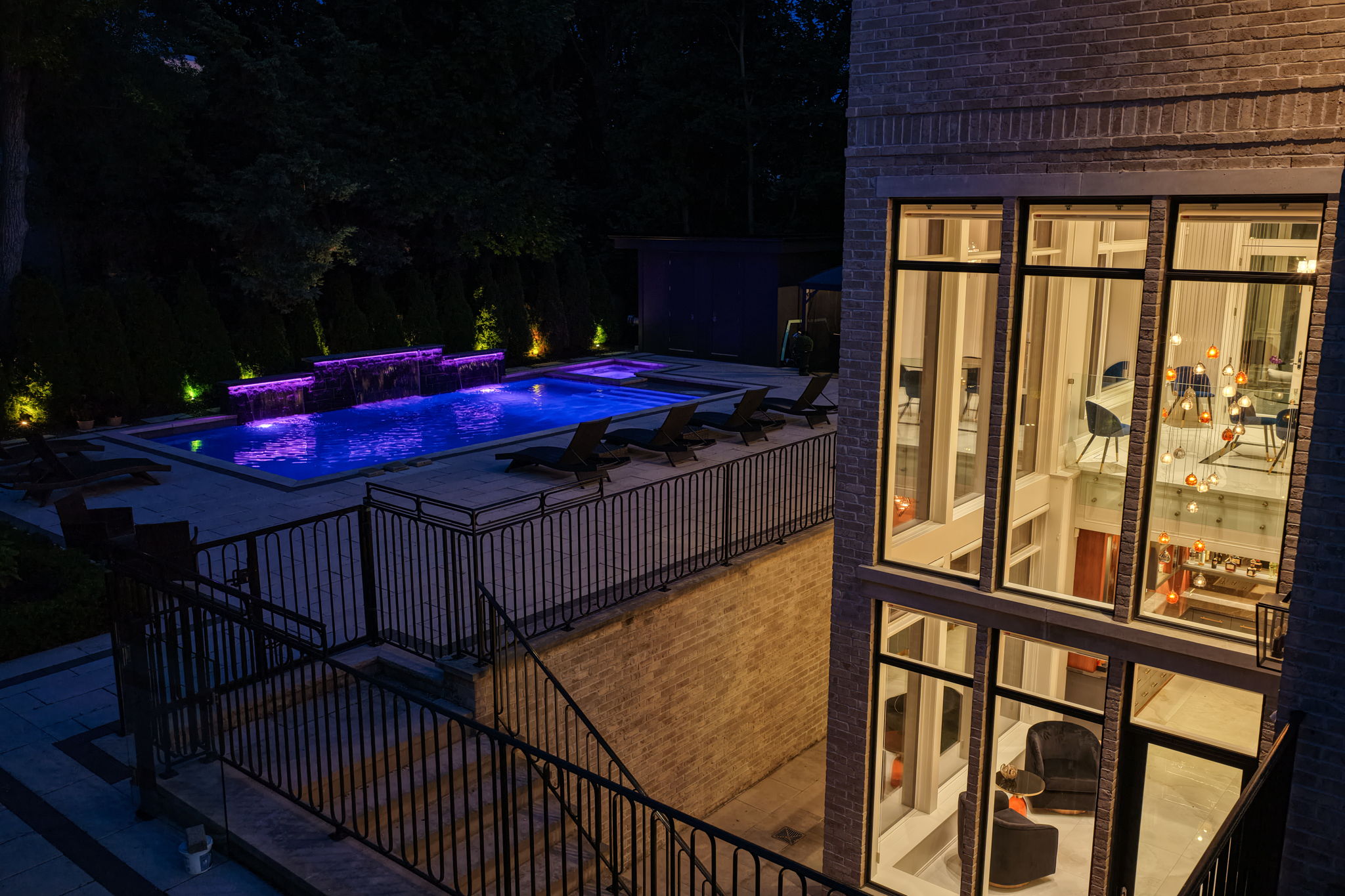
A complete workflow for capturing authentic client video testimonials and turning them into your most persuasive marketing asset across YouTube, social, email, and listing presentations.

A step-by-step guide to building automated lead-capture funnels for real estate — valuation, buyer's guide, neighbourhood farm, and listing-showcase funnels that work while you close deals.

A systematic client-education framework that positions GTA agents as advisors, deepens trust, and drives long-term retention and referrals.
HDR photography, cinematic video, drone, Matterport 3D tours, floor plans and virtual staging across Toronto & the GTA — with transparent pricing from $249.99 and 24–48 hour turnaround.