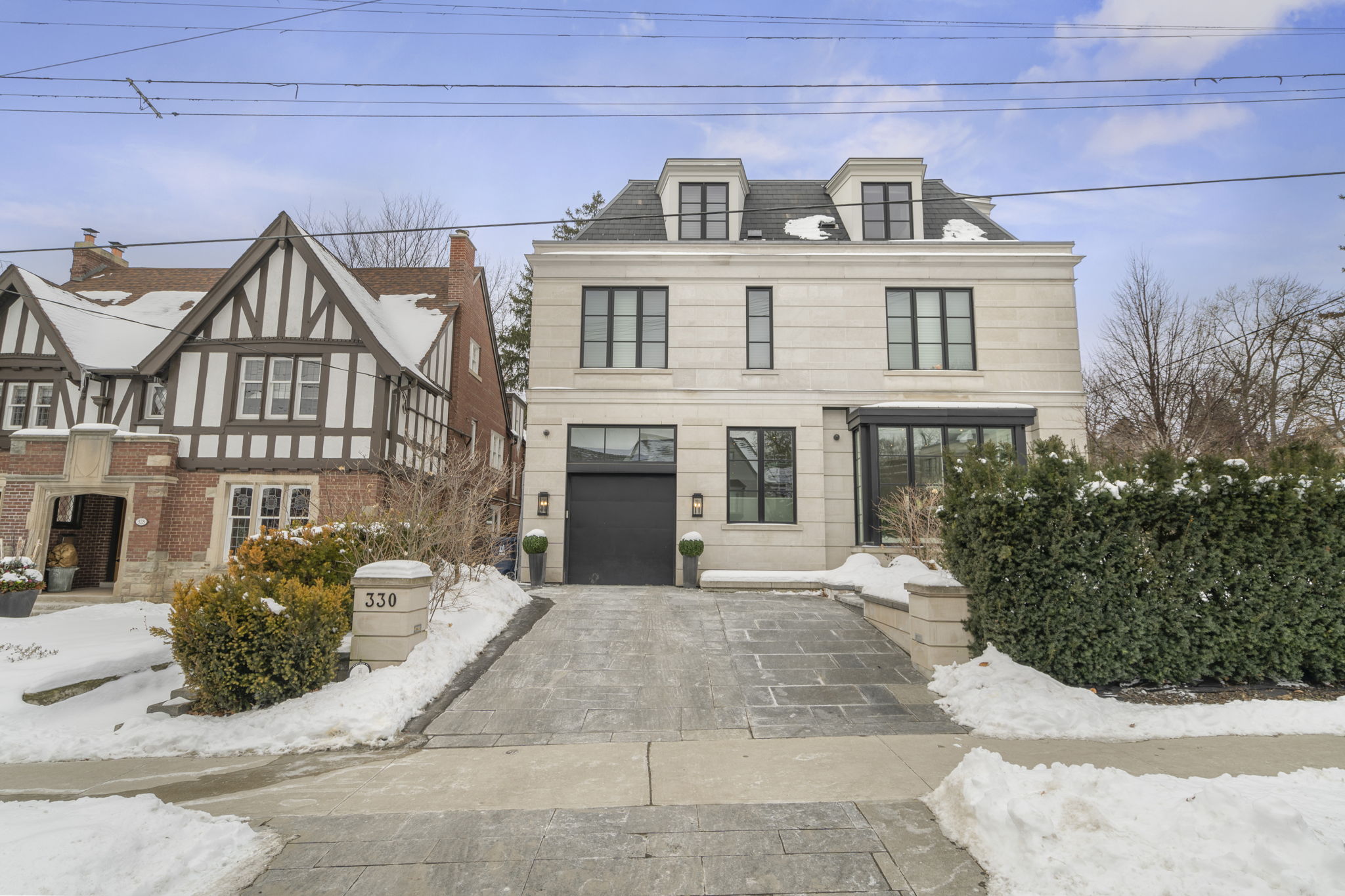
Every house has its own angles and its own light, and a trained real estate photographer reads both before taking the first frame. Amazing Photo Video specialises in residential real estate, houses and condos, and we have photographed thousands of GTA properties: 2,343 listings in our public archive alone. The work comes down to four decisions: which rooms carry the listing, where the camera stands and how high, keeping vertical lines straight, and blending windows by hand so the room and the view both hold. Then there are the rules that never bend, like the toilet seat down.
"Every house has its own angles and lighting that work," says Cole Neophytou, founder of Amazing Photo Video. "Our photographers are trained and specialise in this, making the property look as beautiful as possible. Photographers need to understand architectural lines. Some things need to be avoided and some highlighted, and some things are rules."
Read the house before the first frame
A good shoot starts with a walk-through, not the camera. Three questions decide the plan.
Which way does it face? A south-facing living room is bright most of the day. A west-facing backyard gets low, warm light in the late afternoon. A north-facing front elevation sits in shade all day, so the front exterior is often a better candidate for an overcast day or a twilight shoot than for midday sun. We plan the order of rooms around where the light will be, not around the order of the floor plan.
What time is it? Direct sun throws hard patches across a floor. The fix is shooting that room earlier or later, or an angle that keeps the patch out of frame.
Which rooms carry the listing? In most houses it is the kitchen, the main living space, the primary bedroom and the backyard. In some it is one feature: a ravine lot, a renovated lower level, a pool. Those rooms get the most time and angles; a storage bedroom gets one clean frame.
Choosing the angle, room by room
There is no single "correct" angle for real estate photos, but there are patterns that work in most houses.
- Corners and doorways. Shooting from a corner or a doorway shows two walls, gives the room depth and shows how it connects to the next space. It is the default for living rooms and bedrooms.
- Straight-on for symmetry. A fireplace wall, a bathroom vanity, a long hallway or a centred kitchen island often looks best shot square to the wall, so the lines run cleanly to a vanishing point.
- Camera height. For most rooms we keep the camera around chest height. In kitchens we drop to just above counter height, so the island reads as a clean surface instead of blocking the room behind it. Shooting from eye level or higher shows too much floor and the tops of the furniture.
- Wide, but not too wide. Stretched too far, a wide lens makes a bedroom look twice its size and turns chairs at the frame's edge into ovals. Buyers notice at the showing.
- Bathrooms. Angle so the vanity, shower or tub leads the frame and the toilet is minimised or out of it. Check every mirror before pressing the shutter.
Straight vertical lines
This is the fastest way to tell a trained real estate photographer from an untrained one. When the camera tilts even slightly, vertical lines converge: walls lean in, door frames tip, the house looks like it is falling over.
We keep the camera level and correct for vertical perspective so walls, door frames and cabinet sides stay upright, and countertops stay level.
Crooked verticals make a home look cheap. A buyer scrolling the listing may not be able to say what is wrong, but they register that something is off, and that impression lands on the house and on the agent who listed it.
Windows: hand-blended HDR
The hardest thing in residential photography is a room with a window. Expose for the room and the window goes white. Expose for the window and the room turns into a silhouette.
Our HDR photography solves it by shooting several exposures from the same tripod position and blending every image by hand in Photoshop. The room reads at natural brightness and the view through the glass holds its detail: the backyard, the trees, the street. Hand blending also avoids the flat, grey look of automatic HDR.
What to highlight and what to minimise
Part of a photographer's job is knowing what to show and what not to put front and centre. Cole's example from a drone shoot:
"If there are train tracks behind the house, we can still get beautiful drone footage of the neighbourhood, but we don't shoot it at a downward angle from the front showing the train behind the house. We highlight the features."
The same thinking runs through every room. We highlight natural light, ceiling height, sightlines and the details that make the house that house. We minimise hydro lines, a neighbour's wall a few metres from a side window and a busy road. Other sellers on that street know the neighbourhood's pros and cons. When marketing makes the pros look great and keeps the cons in proportion, they remember the agent behind it.
The non-negotiables
Some things are judgement. Some are rules. These are standard practice on every shoot. Our guide to questions to ask a photographer before booking covers how to check a studio follows them.
| Rule |
Why it matters |
| Toilet seats down, always |
A raised seat is the first thing a buyer sees in a bathroom photo |
| Every light on, every bulb working |
Even, warm light; a dead bulb reads as neglect |
| Blinds set the same way in every room |
Mismatched blinds look careless across a gallery |
| TVs off |
A lit screen pulls the eye and dates the photo |
| Personal items and family photos put away |
Buyers need to picture themselves in the house |
| Cars, bins and hoses out of frame |
They clutter the exterior hero shot |
| No photographer in mirrors, windows or appliances |
A reflection breaks the illusion instantly |
| Cords and chargers hidden |
Small, but visible in every wide shot |
| Fridge front cleared of magnets and paper |
Kitchens are a top-viewed room |
| Verticals straight, horizons level |
The difference between amateur and professional |
The honesty line
We never misrepresent a property. Choosing angles, focal length and what to feature is composition. Inventing what isn't there is not something we do: no faked views, no rooms stretched to look larger, no permanent feature added or hidden that a buyer would find different when they walk in. Virtual staging and decluttering are separate, clearly ordered edits.
What it costs
HDR photography is $249.99 for up to 40 hand-blended photos in a home under 3,000 sq ft, plus HST. Twilight photography is $249.99 for up to 15 edited images, and drone photos are $299.99. Every price is on our pricing page. How the media plan shifts between a condo and a detached house is covered in condo vs house listing media.
Frequently asked questions
What angle should real estate photos be taken from?
Most rooms are best shot from a corner or doorway at around chest height, which shows two walls and gives depth. Symmetrical features such as fireplaces and vanities look best straight on, and kitchens from just above counter height.
Why do vertical lines matter in real estate photography?
When a camera tilts, walls and door frames lean inward and the house looks like it is tipping over. Keeping the camera level and correcting vertical perspective keeps every wall upright. Crooked verticals make a home look cheap, even to buyers who cannot name what is wrong.
How do real estate photographers handle bright windows?
They shoot several exposures from the same tripod position and blend them. At Amazing Photo Video every image is blended by hand in Photoshop, so the room and the view through the window both keep their detail.
Should the toilet seat be down in listing photos?
Always. It is one of the fixed rules of real estate photography, along with lights on, TVs off, blinds set consistently, personal items away, cars and bins out of frame, and no photographer visible in a mirror.
Does a photographer hide a property's flaws?
A good one chooses angles that feature a home's strengths and keep its weaknesses in proportion, such as not framing a rail line behind the house in the hero drone shot. That is composition. Adding or erasing permanent features of the property is misrepresentation, and we do not do it.
Book a residential shoot
Tell us the house, which way it faces and which rooms matter most, and we will plan the shoot around its light. See every package on our pricing page or book your shoot.
 Cole Neophytou